




Serviced Apartments vs Hotels
When seeking accommodation in the UK, whether you're visiting from abroad, relocating for work, or simply need a place to stay whilst your home is being renovated, choosing the right accommodation can make or break your entire experience.
Two popular options: serviced apartments and traditional hotels, each offers its own advantages, but to help you make the best choice, here is our guide to the differences between serviced apartments and hotels. Let’s dive right in.
What are Serviced Apartments
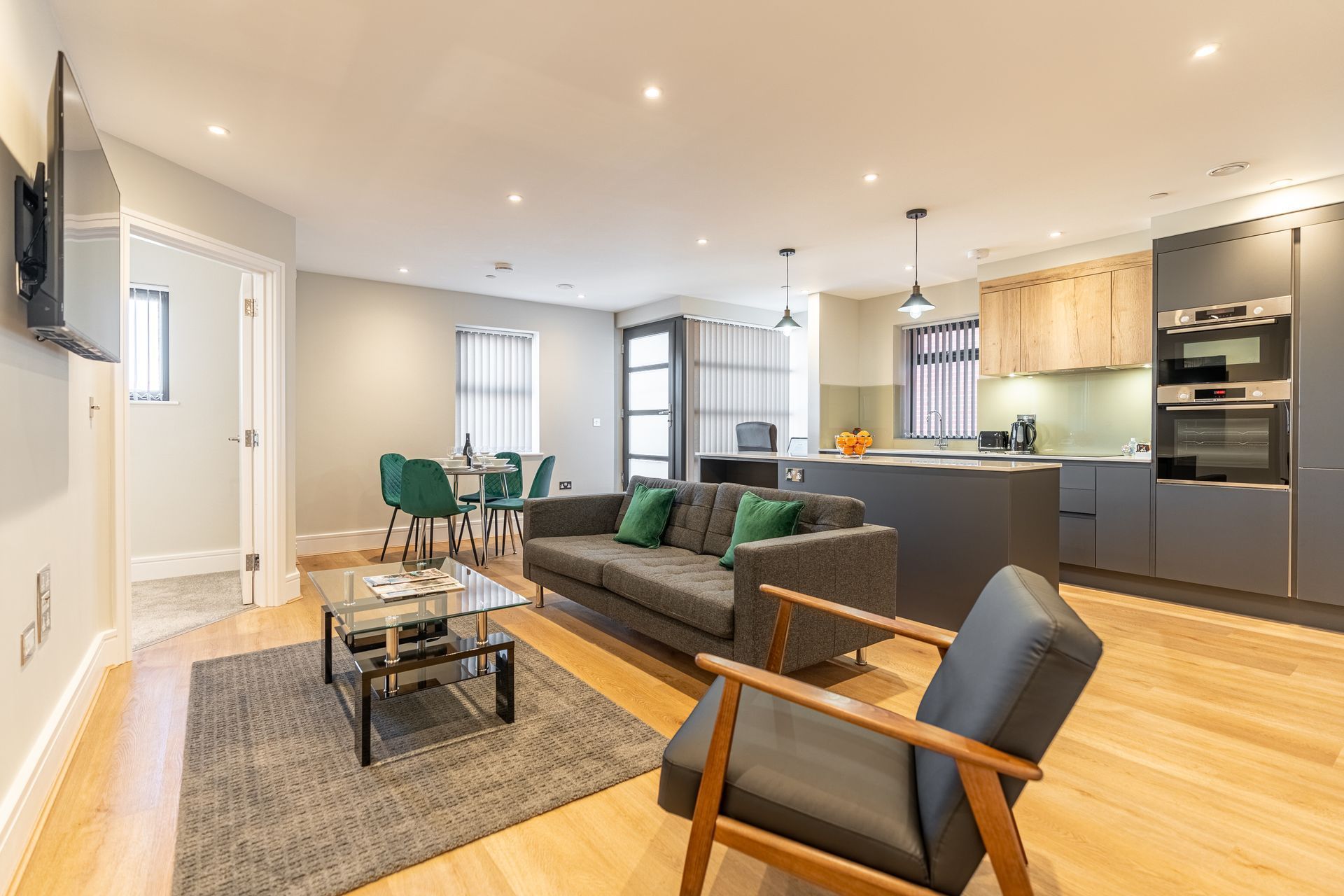
Serviced apartments are a sophisticated blend of home comforts and professional hospitality services. These fully furnished properties provide apartment-style living with the convenience of hotel-like amenities, creating an ideal middle ground for modern travellers. Unlike standard rental properties, serviced apartments come equipped with everything you need from the moment you arrive: quality furnishings, kitchen appliances, linens, and housewares.
What sets them apart is the inclusion of professional services such as regular housekeeping, round-the-clock guest support, and maintenance assistance. This combination makes them suitable for both short getaways and extended stays, offering the practical functionality of a home-from-home whilst maintaining the service standards you'd expect from high-quality accommodation.
What do Hotels Offer Their Guests?
Hotels have long been the conventional choice for travellers as a tried-and-tested model of hospitality. Traditional hotel accommodation has standardised room formats with predictable layouts and amenities, ensuring that guests know what to expect regardless of which property they choose. The hotel experience typically includes daily housekeeping, on-site reception facilities with staff available throughout your stay, and often restaurants or dining areas within the building. This full-service model means that minimal effort is required from guests. The hotel staff handles everything from fresh towels to breakfast.
The Benefits of Serviced Apartments
Serviced apartments, meanwhile, prioritise space, independence, and residential comfort, typically offering separate rooms for different functions and giving guests the freedom to maintain their own routines. Hotels, on the other hand, focus on consistent service delivery, centralised facilities, and a more structured guest experience.
The level of privacy also differs considerably. That’s because apartments often feature private entrances and self-contained spaces, whilst hotels operate with shared lobbies, corridors, and communal areas. Service levels also vary: hotels maintain a constant staff presence and offer scheduled services, whereas serviced apartments provide flexibility with less intrusive support available when needed, rather than on a fixed timetable.
Space and Layout - Room to Breathe
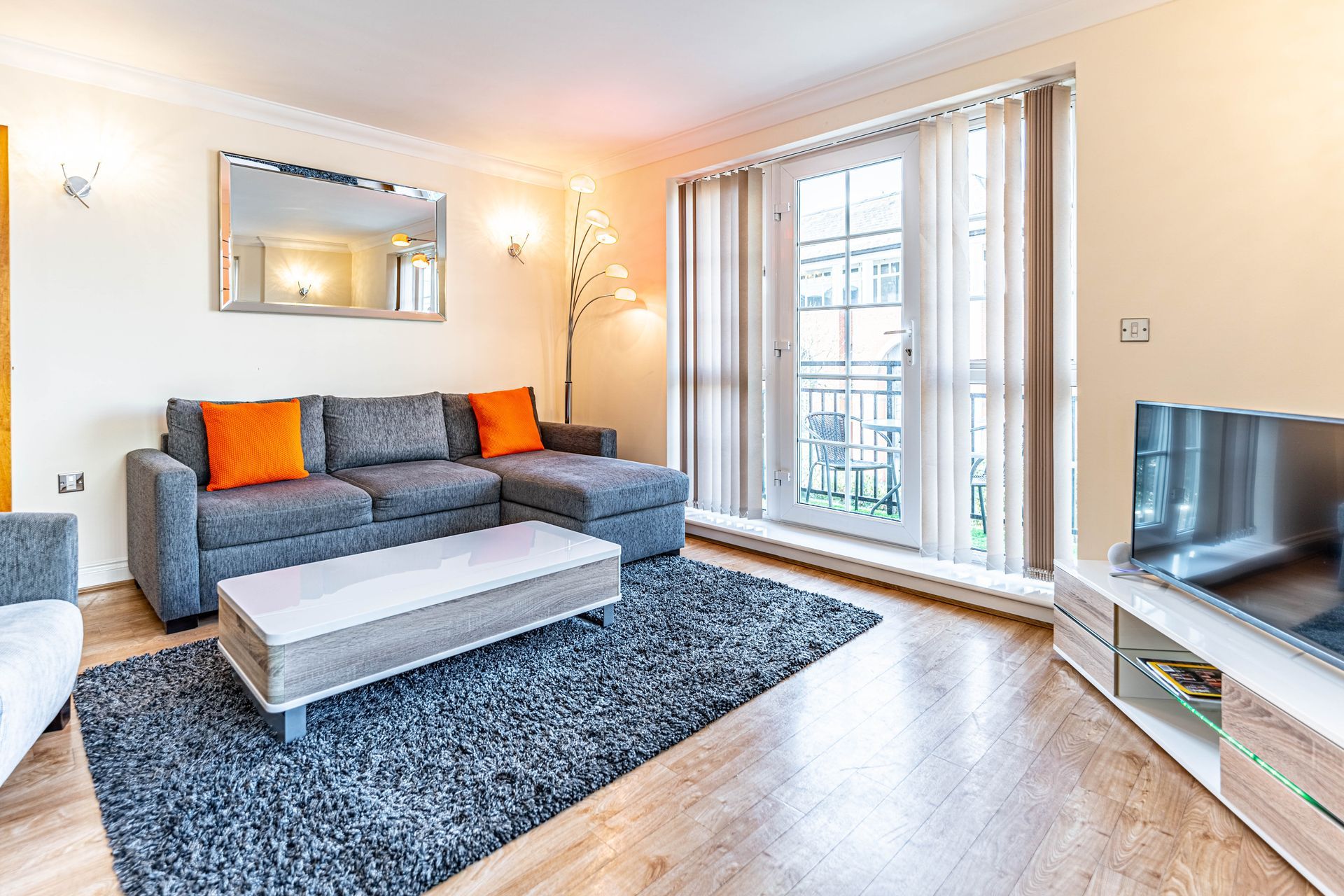
The most immediately noticeable difference lies in the use of space. Serviced apartments provide distinct areas for sleeping, working, cooking, and relaxing; a separation that fundamentally changes how you inhabit the space. A typical serviced apartment includes a separate bedroom, a living room with comfortable seating, a fully equipped kitchen, and often a dedicated dining area.
This layout contrasts sharply with standard hotel rooms, where everything occupies a single space, with perhaps only the bathroom behind a closed door. For longer stays, group travel, or anyone working remotely, this additional room improves the living experience to make it genuinely comfortable. As such, you can prepare breakfast whilst others sleep, take business calls without disturbing family members, or simply enjoy the psychological benefit of retiring to a separate bedroom at the end of the day.
Value for Money
Understanding the financial implications requires looking past nightly rates. While hotels may initially appear competitively priced for short stays, serviced apartments often deliver superior value as trip duration increases. The pricing structure for apartments typically becomes more favourable with extended bookings, whilst hotel rates remain relatively static.
More importantly, the cost analysis must account for additional expenses. Hotels usually necessitate dining out for most meals, which accumulates large costs over time. Serviced apartments, however, feature fully equipped kitchens that enable self-catering, potentially saving hundreds of pounds on a week-long stay.
Celador Apartments improves this even further by providing on-site laundry facilities, a practical amenity that eliminates costly dry cleaning bills and launderette visits that hotel guests routinely face. For families or groups, the cost savings become even bigger: one spacious apartment often costs less than multiple hotel rooms whilst providing communal space that separate rooms cannot offer.
Kitchen Facilities and Self-Catering
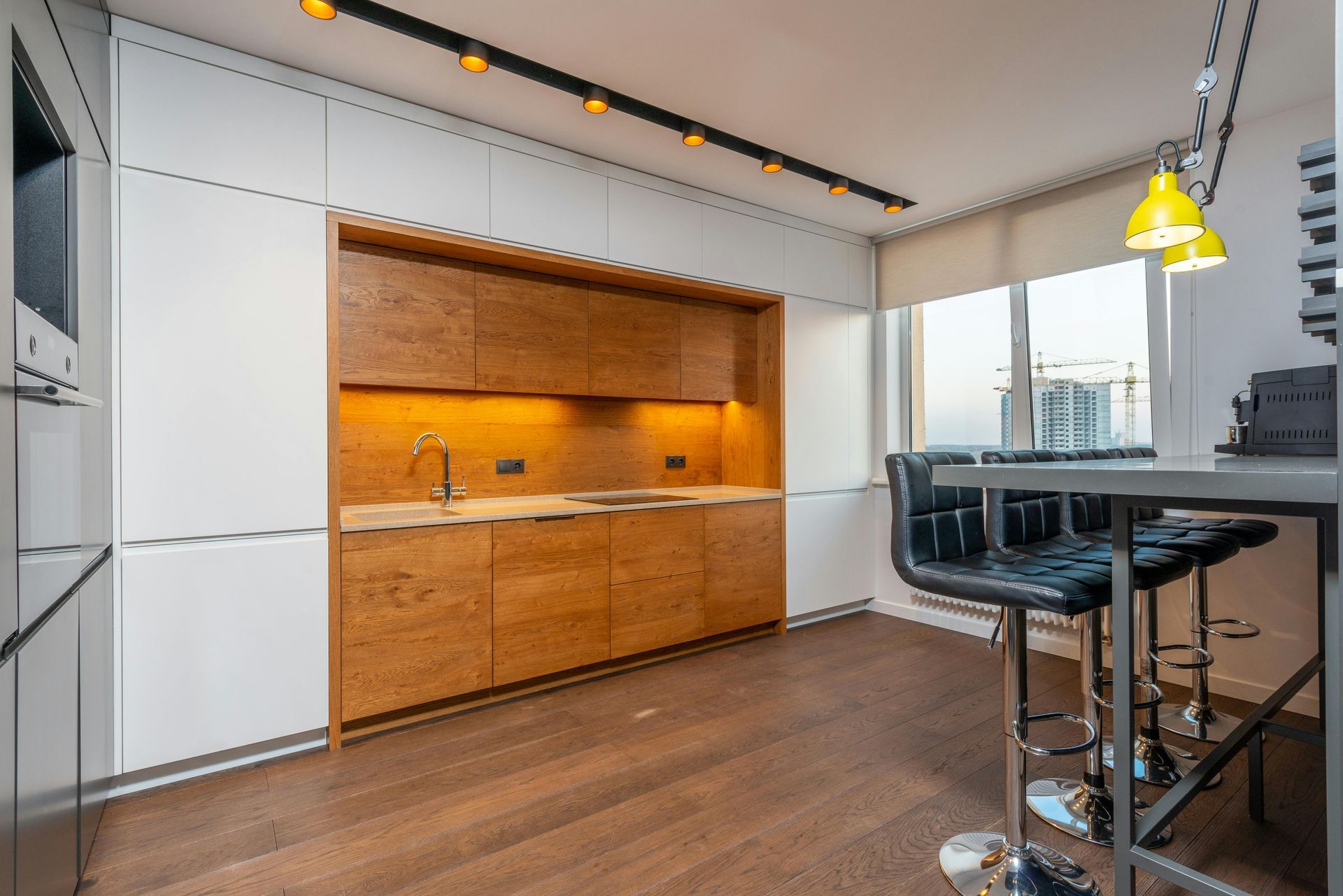
The presence of a proper kitchen completely alters your daily routine and budget. Serviced apartment kitchens come fully equipped with cookers, refrigerators, microwaves, cookware, and utensils; everything needed to prepare anything from quick breakfasts to elaborate dinners. This facility provides dietary flexibility for those with specific nutritional requirements, allergies, or preferences that restaurants struggle to accommodate. For families with young children, the ability to prepare familiar meals at convenient times is invaluable.
In addition to practicality, there's genuine comfort in maintaining normal eating patterns whilst travelling, preparing morning coffee exactly as you like it, or enjoying a home-cooked meal after a long day. Hotels rarely offer more than a kettle and perhaps a small refrigerator, making self-catering virtually impossible and leaving guests dependent on restaurants, room service, or takeaway options for every meal. This constraint becomes increasingly tiresome and expensive over time.
Short-Term vs Long-Term Stays
The length of your stay can determine which accommodation type offers you the best fit. For overnight business trips or weekend city breaks, hotels often provide the most straightforward solution; you simply arrive, sleep, and leave without needing to familiarise yourself with apartment systems or facilities.
However, as your stay extends longer than three or four days, serviced apartments begin to demonstrate their superiority. Weekly stays benefit enormously from kitchen access and additional space, whilst monthly assignments or relocations make apartments the clear choice both financially and practically.
On top of cost, there's the psychological factor. Living out of a hotel room for weeks feels restrictive and temporary, whilst a serviced apartment allows you to properly settle in, unpack completely, and establish a genuine routine. For anyone facing extended stays due to work assignments, property renovations, or temporary relocations within the UK, the serviced apartment model gives you a sustainable living arrangement rather than just a place to sleep.
Ideal for Families and Groups
Travelling with family or in groups presents unique challenges that serviced apartments address far more effectively than traditional hotels. Consider a family of four visiting the UK: booking two hotel rooms means splitting the family, paying double the accommodation cost, and losing the communal space where everyone can gather comfortably.
A serviced apartment, however, provides multiple bedrooms whilst maintaining shared living areas where families can spend time together, prepare meals, play games, or simply relax without retreating to separate rooms. The kitchen is particularly valuable for families with young children who need meals at specific times, require particular foods, or have dietary restrictions. Laundry facilities are essential when travelling with children, allowing you to pack lighter and manage inevitable spills without costly hotel laundry services.
For groups of friends or colleagues sharing accommodation, apartments offer privacy when needed whilst providing communal spaces for socialising. The cost advantages multiply with group size; one three-bedroom apartment invariably costs less than three hotel rooms, often substantially so, whilst delivering far superior living conditions. The ability to cook together, share meals around a proper dining table, and maintain normal social patterns makes apartment living feel like a shared home rather than institutional accommodation.
Business Travel Considerations
Corporate travellers have requirements that deserve careful consideration when choosing accommodation. Serviced apartments increasingly cater to business needs with dedicated workspace areas, high-speed Wi-Fi connectivity, and ergonomic furniture designed for productive working.
Celador Apartments feature proper desks, comfortable office chairs, and adequate lighting, amenities that change remote working from an awkward laptop-on-bed arrangement into a professional setup. For extended business assignments, this can be critical. Hotels may offer business centres, but these shared facilities lack privacy for confidential calls and provide no guaranteed availability when you need them.
The separation of work and living space in apartments supports better work-life balance during long assignments, allowing you to mentally “leave the office” by simply closing the bedroom door. From a financial perspective, companies appreciate serviced apartments for extended postings because the cost differential becomes substantial over weeks or months, whilst the self-catering option reduces per diem expenses.
Proximity to business districts matters for both accommodation types, though serviced apartments in residential areas often provide quieter environments for evening work or video calls. The flexibility to host small informal meetings in your apartment's living room adds another dimension unavailable in standard hotel rooms, whilst the ability to prepare breakfast whilst reviewing morning emails streamlines your routine in ways hotels cannot match.
Hotel Services vs Serviced Apartments - Flexibility
Hotels excel at providing structured, predictable services. Daily housekeeping arrives at consistent times, reception staff handle queries immediately, restaurants serve meals during set hours, and everything operates on established schedules.
This regimented approach suits some travellers perfectly, particularly those wanting minimal responsibility for their surroundings. Serviced apartments take a different approach, offering independence and flexibility over constant service.
Housekeeping typically occurs weekly rather than daily, giving you genuine privacy and the freedom to maintain your own schedule without timing your day around cleaning staff. You come and go through your own entrance without passing reception desks or explaining your movements to staff. Meal times become entirely your choice. That means breakfast at noon if you wish, dinner at midnight, or not at all!
This autonomy benefits those working irregular hours, families with young children maintaining specific routines, or anyone who simply values privacy and control over their environment. The reduced service presence doesn't mean abandonment; support remains available when needed, but on your terms rather than imposed schedules. For longer stays, this flexibility makes daily life more comfortable and less institutionalised than hotel living.
Location and Availability
Hotels concentrate in city centres, near major transport hubs, and around tourist attractions. Serviced apartments, whilst also available in central locations, spread more widely across cities, often occupying residential neighbourhoods that offer quieter surroundings and more authentic local experiences.
Availability varies by season and location. Hotels in popular UK destinations become scarce and expensive during peak periods like summer holidays or the festive season, whereas serviced apartments often have better availability due to their residential nature and longer minimum stays, deterring casual bookings.
Finding the Perfect Fit and Making Your Decision
Selecting between serviced apartments and hotels ultimately depends on aligning accommodation characteristics with your specific needs and priorities.
- Consider first your stay duration. Anything beyond a few days starts to favour apartments. Whilst hotels excel at providing comfort for a night or two, the advantages of serviced apartments compound with each additional day.
By the end of a week, the cumulative benefits; space to properly unpack, a kitchen that's saved you dozens of restaurant meals, and the ability to establish a proper routine, create a markedly different experience. As such, evaluate your group size and composition: families and groups benefit enormously from apartment space and facilities. - Assess your working requirements if travelling on business, considering whether you need a dedicated workspace and quiet environments for calls. Celador Apartment provide proper desk space, ergonomic seating, and reliable high-speed broadband as standard, not as premium add-ons. The separation between living and working areas means you can take video calls without colleagues seeing your unmade bed in the background, and you won't disturb sleeping family members with early morning meetings.
- Reflect honestly on your preference for independence versus full service. Some genuinely prefer daily housekeeping and on-site dining, whilst others value privacy and flexibility above structured services. It's worth noting that Celador Apartments offer housekeeping services, simply scheduled at your convenience rather than imposed daily. You gain the freedom to work from home in your pyjamas without timing your morning around the housekeeper's arrival, yet still benefit from professional cleaning when you actually want it.
- Calculate the true cost, including meals, laundry, and the value you place on additional space and home comforts. A serviced apartment that appears more expensive than a hotel room often proves considerably cheaper once you factor in the money saved on breakfast, lunch, and dinner out, hotel restaurant markups on drinks, and laundry services. The kitchen alone means a family makes significant savings on meals every day, making the apartment the more economical choice.
For many staying in the UK, whether visiting from abroad or temporarily relocating within the country, serviced apartments provide the best balance: the professionalism and quality of hotel-standard accommodation combined with the space, facilities, and independence that transform a stay from endurable to genuinely comfortable. The ability to cook your own meals, do your laundry as needed, spread out across separate rooms, and maintain normal routines makes extended stays feel less like displacement and more like simply living somewhere else for a while.
Book your Stay Today
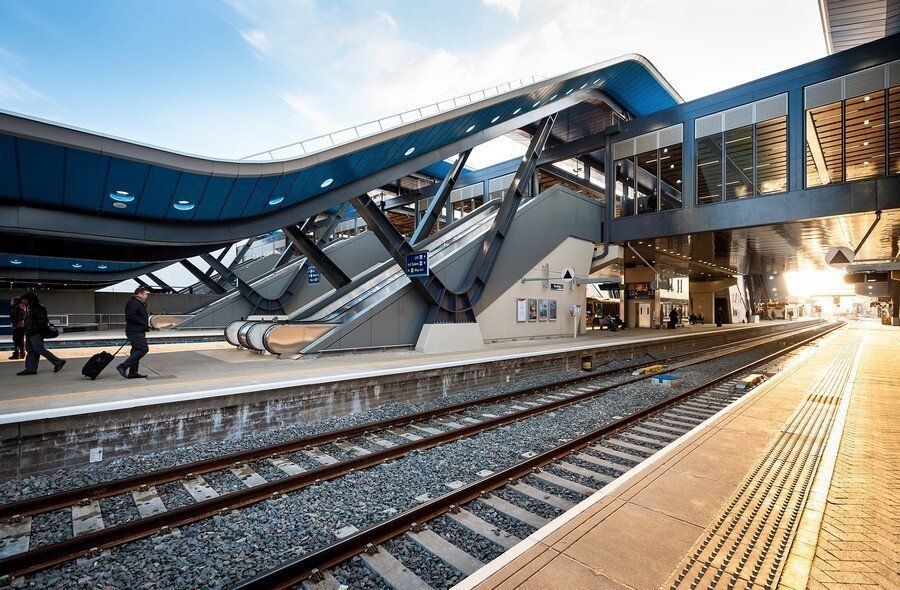
For those considering apartments to rent in Reading, serviced accommodation offers a compelling alternative that addresses many common rental frustrations whilst providing enhanced convenience and flexibility. Ready to experience premier serviced accommodation in Reading? Click here to reserve your home-from-home sanctuary for a stay in the heart of Reading.