




Moving to Reading: A Complete Relocation Guide
Why Move to Reading?
As one of the UK’s largest towns, Reading is famous for its iconic music festival and world-class university. And, as a business centre well connected to major cities, it’s a flourishing hub for commuters and travellers. The town is home to an ideal mix of cosmopolitan, urban areas and serene green spaces.
Reading is home to thousands of knowledge-based companies, from global giants to high-growth SMEs and start-ups. It attracts businesses from across the world and has been ranked in the
UK’s top four towns for jobs. Indeed, Reading is set to be the UK’s
fastest-growing local economy over the next three years.
This jewel in the Thames Valley truly has something for everyone: if you’re thinking of moving to Reading or visiting for a while, here is everything you need to know.
The Cost of Living in Reading
Reading's living costs reflect its position as a prosperous commuter town within the London economic sphere, though living expenses are notably lower than in the capital itself.
- Property prices: according to recent data, the average house price in Reading is around £350,000, though this varies considerably by neighbourhood. Victorian terraces in areas like Caversham typically range from £350,000 to £500,000, whilst modern apartments near the station go for £250,000 to £400,000.
- Rental market: average monthly rents for a one-bedroom flat range from £1,000 to £1,400, whilst two-bedroom properties typically cost £1,300 to £1,800. Three-bedroom houses are £1,800 to £2,500 monthly. Properties within walking distance of the station attract higher rents due to commuter demand.
- Council Tax: Reading Borough Council sets annual council tax rates across bands A through H. Band D properties pay around £1,900 annually, though this varies by specific location and any applicable discounts.
- Daily expenses: a weekly food shop for a family of four typically costs £80 to £120 at major supermarkets, including Tesco, Sainsbury's, and Waitrose. Petrol prices align with national averages, whilst utilities (gas, electricity, water) average £150 to £250 monthly for a typical household, subject to usage and tariff.
- Comparison with London: whilst Reading's property prices are roughly 50-60% of equivalent London properties, the cost differential narrows for rental accommodation. However, residents benefit from lower council tax, reduced transport costs for non-commuters, and more affordable leisure activities compared to the capital.
Getting Around Reading
Reading's transport infrastructure is amongst the finest in the UK, providing exceptional connectivity for commuters and travellers.
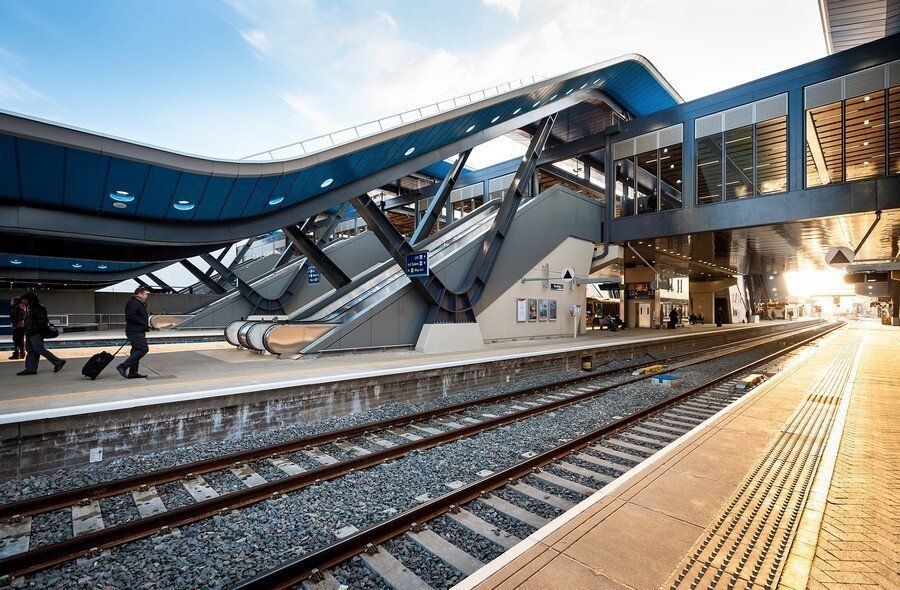
- Rail services: Reading station is a major railway junction served by Great Western Railway, South Western Railway, and Elizabeth Line services. Direct trains reach London Paddington in 24-28 minutes (off-peak) and 30-40 minutes (peak times), with services running every 10-15 minutes during weekday peak hours. The Elizabeth Line connects Reading to central London and beyond to Shenfield and Abbey Wood.
- Oxford is accessible in just 26 minutes, whilst direct services operate to Birmingham, Bristol, Manchester, Edinburgh, and beyond. Annual season tickets from Reading to London zones 1-6 cost around £5,000 to £5,500, whilst monthly tickets range from £500 to £600.
- Road connections: Junction 11 of the M4 motorway sits immediately south of Reading, providing direct access to London (approximately 60-90 minutes depending on traffic),
- Heathrow Airport (30-40 minutes), and the West Country. The A329(M) connects to Bracknell and the M3, whilst the A4 runs through the town centre.
- Local buses: Reading Buses operates an extensive network throughout the town and surrounding areas, with frequent services on core routes.
- Cycling: Reading has invested heavily in cycling infrastructure, including the National Cycle Route 4, which runs east-west through the town. Dedicated cycle lanes connect residential areas to the town centre and station, though some routes remain incomplete. Bike parking is available at the station and throughout the town centre.
- Airport access: Heathrow Airport is accessible by car in 35 to 45 minutes via the M4, or by the RailAir coach service, connecting at Reading station (around 60-75 minutes total journey time). Gatwick requires rail connections via London, typically taking 2-2.5 hours.
Schools and Education
Reading has a wide range of educational options, from state primary schools to selective grammar schools and independent institutions:
- Primary Education: Reading contains around 70 primary schools, including community schools, academies, church schools, and independent schools. Ofsted ratings vary, with many rated Good or Outstanding. Popular schools include Caversham Primary School, The Hill Primary School, and Churchend Primary Academy. Admission typically follows catchment area priorities, with some faith schools applying religious criteria.
- Secondary Schools: State secondary schools include The Wren School, Maiden Erlegh School in Earley, and Reading School (boys' grammar). Kendrick School is a selective girls' grammar school with an Outstanding Ofsted rating. Competition for grammar school places is intense, requiring performance in the 11-plus examination.
- Grammar schools: Reading School and Kendrick School are partially selective grammar schools requiring the 11-plus examination. Registration typically opens in May for September entry the following year, with tests in September.
- Further Education: Reading College offers vocational courses and A-levels, whilst the University of Reading is a research-intensive institution with around 17,000 students. The university ranks highly for agriculture, archaeology, and typography research.
- Catchment areas: Primary school catchment areas vary considerably by school popularity and local demographics. Reading Borough Council publishes admission criteria and previous years' distances on its website.
- Admissions process: Applications for primary and secondary places operate through Reading Borough Council's coordinated admissions scheme, with deadlines typically in January for September entry. Late applications get lower priority.
Finding Your Home
Reading's property market is very competitive due to the strong demand from London commuters, university staff, and local professionals.
- Estate Agents: major estate agencies operating in Reading include Chancellors, Haslams, Bridges, and Martin & Pole. Many have offices on both sides of the Thames in Reading and Caversham.
- Property types: Victorian and Edwardian terraced houses are common in areas like Newtown and Caversham, whilst 1930s semi-detached properties are common in Earley and Woodley. Modern apartments concentrate near the station and riverside developments. Larger detached properties are found in Caversham Heights and towards Tilehurst.
Working in Reading
Reading's economy has developed from Victorian manufacturing into a knowledge-based hub, earning the nickname “Silicon Thames Valley.”
- Major employers: Microsoft's UK headquarters in Thames Valley Park employs several thousand staff. Oracle also has a large presence, as does ING Bank. Other international employers include PepsiCo UK, Cisco Systems, and Huawei's UK research centre. The retail and service sectors provide extensive employment, whilst the University of Reading employs 4,000 staff.
- Key industries: Information technology and telecommunications, alongside financial services, insurance, and pharmaceuticals. Professional services, including law firms and accountancies, serve the Thames Valley business community. The hospitality and retail sectors have expanded with town centre regeneration.
- Business districts: Thames Valley Park, between Reading and the M4, hosts technology and pharmaceutical companies in a landscaped campus setting. Green Park, near Junction 11 of the M4, is home to businesses including Huawei and Symantec.
The town centre supports professional services firms and retail management offices.
- Salary expectations: professional salaries in Reading typically reflect London weighting without full capital premiums. Technology roles often pay £45,000 to £80,000, whilst senior positions exceed £100,000. Graduate starting salaries range from £25,000 to £35,000, depending on the sector.
- Networking: The Thames Valley Chamber of Commerce supports business connections, whilst sector-specific groups, including Thames Valley Tech, help technology professionals. The University of Reading hosts public lectures and business engagement events.
- Recruitment agencies: Agencies including Hays, Reed, and Manpower have Reading offices.
Healthcare Services
- GP surgeries: Reading has around 30 GP practices, from small single-GP surgeries to large medical centres. Registration requires proof of address and photographic identification. Patients can register online or in person, with appointments typically available within one or two weeks for routine matters.
- Royal Berkshire Hospital: The Royal Berkshire NHS Foundation Trust operates Royal Berkshire Hospital on London Road, providing accident and emergency services, maternity care, and specialist services. The A&E department operates 24 hours daily. The hospital underwent redevelopment, though capacity pressures affect waiting times during peak periods.
Leisure and Lifestyle
A broad range of faiths are represented in Reading, with religious landmarks including the only purpose-built synagogue in Berkshire, churches for all aspects of the Christian faith, several mosques, a Buddhist centre, and Hindu and Sikh temples.
Home to around 100 parks, 20 woodlands, and five nature reserves, there are lots of parks and gardens to explore. At the heart of the Thames Valley, Reading is just a stone’s throw from the surrounding countryside and leafy villages. The Thames Path is popular for walking and cycling, and Reading is a major water sports destination, with lots of on-the-water activities available.
Other important lifestyle factors are:
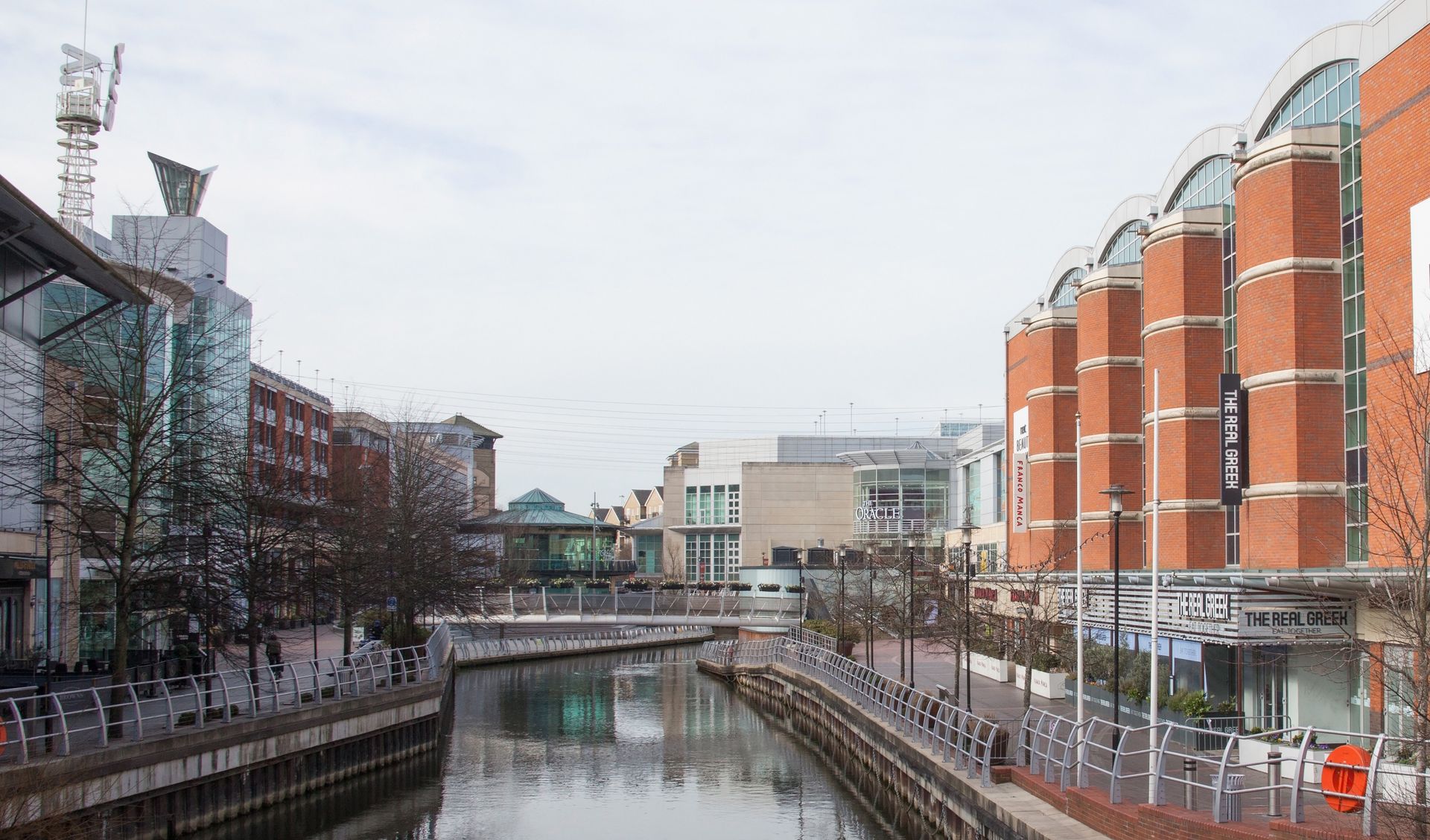
- Shopping: The Oracle shopping centre houses more than 80 stores and high-street chains. Broad Street offers independent shops, cafés, and restaurants in historic buildings. Farmers' markets operate monthly in the Market Place.
- Festivals and Events: Reading Festival, held annually in August, is one of the UK's oldest and largest music festivals, attracting more than 90,000 attendees. Reading also hosts smaller cultural events, including the Reading Fringe Festival and Thames Path walking events.
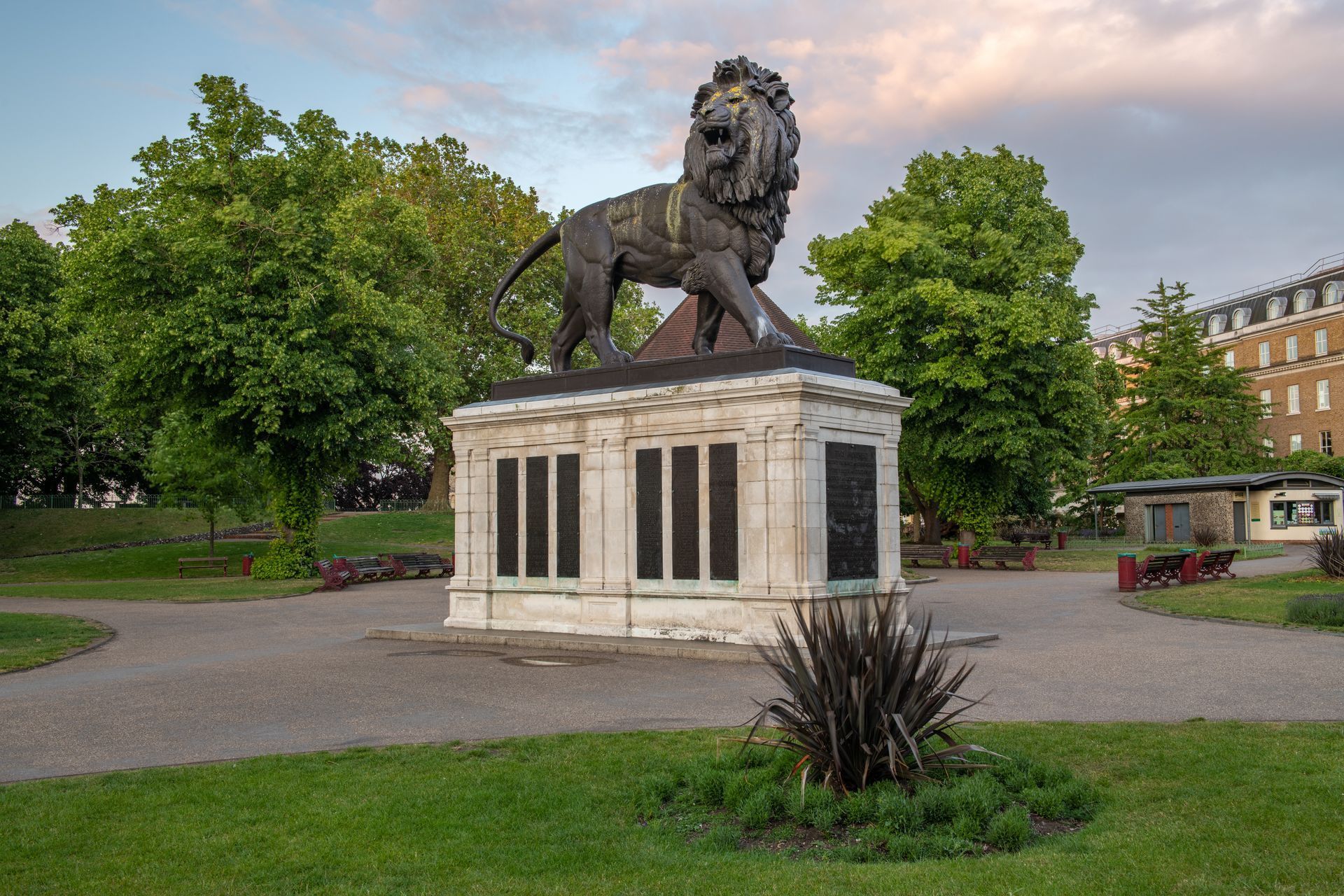
- Parks and green spaces: Forbury Gardens is a formal Victorian garden near the town centre, whilst Prospect Park offers 75 acres, including a mansion, playground, and sports facilities. Caversham Court Gardens overlooks the Thames, and Dinton Pastures Country Park lies nearby. The Thames Path and Kennet & Avon Canal provide waterside walking and cycling routes.
- Culture: The Hexagon theatre hosts touring productions, comedy, and concerts. South Street Arts Centre showcases visual arts and contemporary performance. Reading Museum explores the town's history, including the replica Bayeux Tapestry. The Abbey Ruins mark Reading's medieval heritage.
- Restaurants and Dining: Reading's dining scene encompasses chain restaurants at The Oracle alongside independent establishments on London Street and Caversham. Cuisines represented include Indian, Italian, Chinese, Thai, and modern British. The riverside area near Caversham Bridge contains several popular eateries.
- Nightlife: the town centre offers numerous pubs, bars, and clubs, particularly around Friar Street and Gun Street. The Purple Turtle and Sub89 host live music. Caversham supports a quieter pub scene.
- Sports and Fitness: Reading Football Club (the Royals) plays at the Select Car Leasing Stadium. Palmer Park Stadium hosts athletics, whilst Rivermead Leisure Complex provides swimming and gym facilities. David Lloyd and Pure Gym operate fitness centres, and numerous sports clubs cover football, rugby, cricket, tennis, and rowing.
- Cinemas: Vue operates a multiplex cinema at The Oracle, whilst Showcase Cinema de Lux in Winnersh provides an alternative high-quality venue.
Practical Tips for Moving to Reading
Your successful relocation will need methodical planning and organisation across the following areas:
- Removal companies: obtain quotes from at least three removal firms, ideally members of the British Association of Removers. Local companies operating in Reading include Fox
- Decluttering: reduce moving costs and settle more easily by decluttering systematically. Charity shops, including British Heart Foundation and Sue Ryder, accept good-quality items. Reading Borough Council operates household waste recycling centres at Smallmead and Island Road.
- Packing: begin packing non-essential items three to four weeks before moving day. Clearly label boxes by room and contents. Pack a separate “first night” box containing essentials, including bedding, toiletries, basic kitchen items, and important documents.
- Change of address: notify organisations systematically of your move. Redirect post via Royal Mail's redirection service (fees apply). Update your address with your employer, banks, insurance providers, DVLA, the passport office, and HMRC. Electoral registration requires updating with the Reading Borough Council.
- Council Tax: inform your previous local authority of your departure date and the Reading Borough Council of your arrival. Council tax liability begins on your move-in date. Single-person households qualify for a 25% discount. Register online via the Reading Borough Council's website.
- Utilities: arrange gas and electricity supply before moving in. Take meter readings on arrival. Water services are provided by Thames Water. Contact them to establish an account. Broadband installation often requires two to three weeks, so arrange early. Compare suppliers via Ofgem-approved comparison sites.
- Parking: if moving to a property in a controlled parking zone, apply for residents' parking permits via the Reading Borough Council. Some properties include allocated parking, whilst others rely on on-street provision.
Settling Into Life in Reading
Establishing yourself in a new town requires active engagement with your community and local resources. Here are some ideas:
- Meeting people: join local groups aligned with your interests. Reading has numerous sports clubs, hobby societies, and community organisations. Websites, including Meetup, list social gatherings, from book clubs to networking events. Parents can connect through school parent associations and playgroups.
- Community groups: Reading Voluntary Action coordinates volunteer opportunities and community projects. Neighbourhood associations operate in areas, including the Caversham Residents Association. Religious communities encompass churches, mosques, synagogues, and temples serving diverse faiths.
- Libraries: Reading Central Library on King's Road provides book lending, internet access, and community spaces. Branch libraries operate in Caversham, Palmer Park, Southcote, Tilehurst, and Whitley. Membership is free with proof of address.
- First few weeks: familiarise yourself with your immediate neighbourhood, locating essential shops, your GP surgery, and transport links. Explore the town centre and surrounding areas. Visit the library to collect area information. Attend council-run induction events for new residents if available.
- Children: help children settle by arranging school uniforms and supplies before the term begins. Contact schools regarding buddy systems or transition support. Explore local parks, play areas, and activity clubs. Reading's leisure centres offer children's swimming lessons and holiday programmes.
- Pets: register with a local veterinary practice. Microchip details require updating with your new address (legally required for dogs). Identify local parks and walking areas. Some areas of Reading impose dog control orders.
Useful Resources and Contacts
Essential contact details for Reading Borough Council, emergency services, utility providers, and local organisations. Here’s some quick-reference information to keep handy during and after your move.
Reading Borough Council
Website: www.reading.gov.uk
Telephone: 0118 937 3787
Address: Civic Offices, Bridge Street, Reading, RG1 2LU
Services: Council tax, housing, planning, waste collection, parking permits
Emergency Services
Emergency (Police, Fire, Ambulance): 999
NHS Non-Emergency: 111
Police Non-Emergency: 101
Thames Valley Police (Reading): Queries via 101 or online
Health Services
Royal Berkshire Hospital: 0118 322 5111, London Road, Reading, RG1 5AN
NHS GP Registration: Via individual practices: search at www.nhs.uk
Dental Helpline: 0300 123 0084
Utilities
Thames Water (water/sewerage): 0800 980 8800
UK Power Networks (electricity infrastructure): 0800 31 63 105
SGN (gas infrastructure): 0800 912 1700
Energy Suppliers: Multiple providers; compare via Ofgem or Uswitch
Transport
Reading Station: National Rail Enquiries 03457 48 49 50
Reading Buses: 0118 959 4000, www.reading-buses.co.uk
Traveline: 0871 200 22 33 (public transport journey planning)
Education
Reading Borough Council School Admissions: 0118 937 3777
University of Reading: 0118 987 5123
Waste and Recycling
Household Waste Recycling Centres: Smallmead (0118 937 2797), Island Road (0118 937 2798)
Bulky Waste Collection: Book via the council website or by telephone
Community
Reading Central Library: 0118 901 5950
Reading Voluntary Action: 0118 937 2273
Citizens Advice Reading: 0808 278 7810
Leisure
The Hexagon: 0118 960 6060 (box office)
Reading Football Club: 0118 968 1100
Rivermead Leisure Complex: 0118 901 5650
Registration Services
Register for Council Tax: reading.gov.uk/council-tax
Electoral Registration: reading.gov.uk/elections
NHS Registration: nhs.uk/service-search (find GP)
DVLA (driving licence/vehicle): gov.uk/contact-the-dvla
Book your Stay Today
Ready to experience the perfect blend of convenience, comfort, and location? Book your stay at Celador Apartments today and discover why discerning business and leisure travellers choose us as their Reading base. Contact us now to reserve your home-from-home near Reading Station.